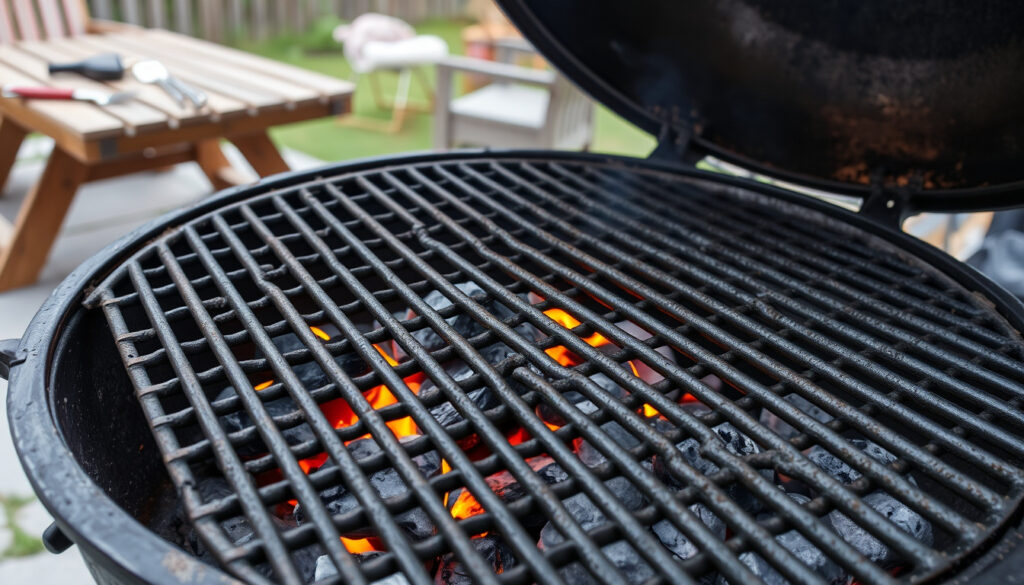
Cast Iron BBQ Grill: Is It Really Better? Pros, Cons, and Top Picks
Professional pitmasters choose cast iron grill grates over stainless steel for one reason: heat retention that sears a steak and holds temperature even when the lid opens—but that performance comes with regular maintenance. If you’re upgrading your backyard setup or just curious about the material debate, here are the real trade-offs, what to cook, and which brands deliver.
Heat retention capacity: Up to 500°F (260°C) ·
Average lifespan with care: 10–15 years ·
Typical weight per grate: 15–25 lbs (7–11 kg) ·
Seasoning frequency: Every 3–6 uses
Quick snapshot
- Superior heat retention and even distribution (Napoleon (grill manufacturer))
- Adds a searing crust to meats (Food Fire Friends (bbq experts))
- Durable if maintained properly (The Online Grill (bbq retailer))
- May add dietary iron to food (Eat Healthy 365 (nutrition-focused site))
- Requires proper seasoning to avoid rust (So Cal Grill Masters (grill service))
- High heat can produce HCAs – use marinades to reduce (National Cancer Institute (research authority))
- Heavy and hard to maneuver (Grill Smoke Love (bbq hobbyist site))
- Prone to rust if not dried immediately (Stainless Steel Guide (material analysis site))
- Not suitable for acidic dishes regularly (Eat Healthy 365 (nutrition-focused site)) (Grill Smoke Love (bbq hobbyist site))
- Weber (popular grate sets) (Weber (official site))
- Lodge (affordable, pre-seasoned) (Lodge (official site))
- Camp Chef (large surface area) (Camp Chef (official site))
The core specs make the material trade-off clear: cast iron spends its weight on heat performance, not convenience.
| Attribute | Value |
|---|---|
| Material type | Cast iron |
| Heat retention | Excellent |
| Weight (per grate) | 15–25 lbs |
| Average lifespan | 10+ years with proper care |
| Best for | Searing steak, burgers, vegetables |
| Common brands | Weber, Lodge, Camp Chef |
Is a cast iron grill good for the barbecue?
Cast iron grills are prized for their heat retention and even cooking, making them ideal for searing meats and cooking vegetables. The material holds heat longer than stainless steel, which gives you a stronger sear and deeper crust on foods like steak and burgers (Food Fire Friends (bbq experts)). But there’s a trade-off: cast iron requires seasoning to prevent rust. Without that protective oil layer, moisture will cause corrosion (So Cal Grill Masters (grill service)).
What can I cook on a cast iron grill?
- Thick cuts of meat: steaks, pork chops, lamb – anything that benefits from a high-heat sear.
- Vegetables: peppers, zucchini, asparagus – the even heat caramelizes natural sugars.
- Burgers and sausages – consistent crust without hot spots.
Cast iron also works well for fish fillets and even pizza if you’re using a flat cast iron griddle. The key is to preheat thoroughly and oil the grate before adding food.
What food is best cooked in cast iron?
Foods that need high, steady heat shine on cast iron. Steaks cooked to medium-rare develop a crust that stainless steel simply can’t match because the grate doesn’t cool as quickly when cold meat hits it (Napoleon (grill manufacturer)). Starchy foods like potatoes and cornbread also benefit from the even distribution.
The implication: expect superior searing, but only if you commit to the seasoning routine.
Is it better to grill on stainless steel or cast iron?
Six key differences separate these two materials, and the right choice depends on your cooking style and willingness to maintain the grate.
| Factor | Cast Iron | Stainless Steel |
|---|---|---|
| Heat retention | Excellent – stays hot longer (Napoleon (grill manufacturer)) | Heats up faster but loses heat when food is added (Napoleon (grill manufacturer)) |
| Sear quality | Deep crust, strong marks (Food Fire Friends (bbq experts)) | Good sear, less pronounced |
| Weight | Heavy – 15–25 lbs per grate (Grill Smoke Love (bbq hobbyist site)) | Lighter, easier to handle |
| Maintenance | Requires seasoning and prompt drying (So Cal Grill Masters (grill service)) | Low maintenance, no seasoning needed (The Online Grill (bbq retailer)) |
| Corrosion resistance | Prone to rust if wet (Stainless Steel Guide (material analysis site)) | Very corrosion resistant |
| Lifespan | 10–15 years with care | Similar, less prone to damage |
The pattern: cast iron rewards effort with superior searing; stainless steel is the convenience choice. If you grill daily and don’t mind oiling after each cook, go cast iron. For occasional grilling or damp climates, stainless steel spares you rust anxiety.
Which grill is better, steel or iron?
“Better” depends on your priorities. Cast iron wins on heat retention and flavor transfer. Stainless steel wins on weight, ease of cleaning, and longevity in wet conditions. For a dedicated barbecue enthusiast who values a crust above all else, cast iron is the answer. For someone who wants a “set and forget” grate, stainless steel is more practical (The Online Grill (bbq retailer)).
Cast iron’s extra heat mass means a better crust on a steak, but that same mass makes the grates heavy and slow to heat up. You’re trading preheat time for cooking performance.
What this means: the extra preheat time is the price of a better crust—budget for it.
What are the downsides of cast iron?
Cast iron grill grates have real practical drawbacks that every buyer should know before investing.
Upsides
- Excellent heat retention for searing
- Adds iron to food (beneficial for some diets)
- Durable if maintained – lasts over a decade
Downsides
- Heavy – 15–25 lbs per grate (Grill Smoke Love (bbq hobbyist site))
- Rusts quickly if left wet (So Cal Grill Masters (grill service))
- Must be seasoned regularly
- Acidic foods (tomatoes, vinegar-based sauces) can strip seasoning (Eat Healthy 365 (nutrition-focused site))
- Can crack if dropped or exposed to thermal shock
What shouldn’t you cook in cast iron?
- Acidic sauces – tomatoes, wine reductions, vinegar glazes – because they can react with the iron and ruin the seasoning.
- Delicate fish that flakes easily may stick more than on a non-stick surface.
- Sticky marinades with high sugar content can burn onto the grate.
How long will a cast iron grill pan last?
With proper care – seasoning every 3–6 uses, drying immediately after washing, and storing in a dry place – a cast iron grill can last 10–15 years or more. A care guide from The Online Grill (bbq retailer) notes that many users pass down cast iron grates to the next generation.
Cast iron’s longevity is conditional. A grate left out in the rain for one night can develop rust spots that require re-seasoning. The durability is real, only if you stick to the maintenance routine.
The pattern: cast iron rewards consistent care with a decade-plus of service; neglect shortens that lifespan quickly.
What is the healthiest type of grilling?
Cooking at high temperatures on any grate can produce heterocyclic amines (HCAs) and polycyclic aromatic hydrocarbons (PAHs), compounds linked to cancer risk in animal studies. But the grate material itself matters less than how you use it. Marinating meats for at least 30 minutes reduces HCA formation significantly. Cast iron may add dietary iron to food, which can be a benefit for people with iron deficiency, though the amount is small and not medically significant for most (Eat Healthy 365 (nutrition-focused site)).
The implication: the grate material isn’t a health lever; it’s a flavor and durability lever. Focus on cleaner cooking practices – scraping away charred bits, avoiding flare-ups that deposit smoke onto food, and using a marinade with olive oil and lemon juice – regardless of whether your grates are cast iron or stainless steel.
The implication: manage temperature and marinades first; grate material becomes a flavor and durability choice, not a health one.
What is the best cast iron grill?
Four brands dominate the market, each offering different strengths in size, pre-seasoning, and price.
| Brand | Key Feature | Typical Price Range |
|---|---|---|
| Weber | Widely available grate sets for charcoal and gas grills | $50–$150 |
| Lodge | Pre-seasoned, affordable, durable | $30–$80 |
| Camp Chef | Large surface area, often with porcelain coating | $60–$200 |
| Char-Griller | Heavy-duty cast iron for offset smokers | $40–$120 |
The pattern: the best buy depends on fit, budget, and whether you want pre-seasoned convenience or maximum surface area.
Confirmed facts vs. What’s unclear
- Cast iron requires seasoning to prevent rust (So Cal Grill Masters (grill service))
- Cast iron is heavier than stainless steel (Grill Smoke Love (bbq hobbyist site))
- Acidic foods can damage seasoning (Eat Healthy 365 (nutrition-focused site))
- Cast iron retains heat longer than stainless (Napoleon (grill manufacturer))
- Optimal seasoning method varies by user and climate
- Long-term health impact of cast iron vs stainless steel is still debated (Eat Healthy 365 (nutrition-focused site))
“Cast iron grill grates generally retain heat better than stainless steel, which helps with stronger sear marks and more char.”
— Napoleon (grill manufacturer)
“Stainless steel grill grates are generally lower maintenance than cast iron and do not require seasoning.”
— The Online Grill (bbq retailer)
grillsmokelove.com, theonlinegrill.com, qualitygrillparts.com, eathealthy365.com, backyardbbqgrill.com, reddit.com, eathealthy365.com
Frequently asked questions
How to season a cast iron grill?
Wash the grate with mild soap, dry completely, apply a thin layer of high-smoke-point oil (canola, grapeseed, or flaxseed), and heat the grill on high for 30–60 minutes until the oil polymerizes. Repeat 2–3 times for a strong initial seasoning (So Cal Grill Masters (grill service)).
Can you use a cast iron grill on a gas grill?
Yes, most cast iron grates are designed for gas grills. Check the dimensions of your gas grill to ensure a proper fit.
Do cast iron grills rust?
Bare cast iron will rust if left wet or stored in a humid environment without a protective oil layer. Seasoning creates a barrier that prevents rust (Stainless Steel Guide (material analysis site)).
How to clean a cast iron grill?
Scrape off residue with a grill brush, rinse with water (no soap for seasoned grates), dry immediately on the grill, and apply a thin oil coat before storing. Avoid soaking (OGPSGroup (industrial parts supplier)).
Is cast iron grill better than stainless steel for health?
There is no strong evidence that one material is healthier. Cast iron may add trace iron to food, which could benefit some individuals, but the primary health factor in grilling is cooking temperature, not grate material.
What is the best oil to season cast iron?
Oils with high smoke points work best: flaxseed, grapeseed, canola, or avocado oil. Avoid olive oil or butter – they burn and create a sticky surface.
Can you put a cast iron grill in the dishwasher?
Never. Dishwasher detergent and high-pressure water will strip the seasoning and cause rust. Always hand wash and dry thoroughly.
For the home barbecue enthusiast evaluating a Cast Iron BBQ Grill vs Stainless Steel Grates, the choice ultimately comes down to how much maintenance you’re willing to invest. Cast iron delivers unmatched sear quality and heat retention – the reason professional pitmasters swear by it. Stainless steel offers convenience and rust resistance for casual grilling. For the dedicated backyard cook who treats seasoning as a ritual, cast iron is the clear winner. For the weekend griller who wants to set it and forget it, stainless steel is the smarter buy.
More related posts
 Cast Of Never Have I Ever
 Cast Of Hannibal (tv Series)
Cast Of Knives Out
Cast Of Hannibal (tv Series)
Cast Of Knives Out
 Cast Of Kung Fu Panda 4
 Cast Of Coronation Street
 Young Guns Cast: Guide to the 1988 Movie’s Stars and Cameos
 Brian Tee: Ethnicity, Wife, Real Name, and Chicago Med Exit
 No Hard Feelings Cast: Full List, Characters & Controversy